

Pattern Recognition in Risk: Why Portfolio Visibility Matters More Than Individual Reviews

Why Vendor Risk Usually Surfaces Too Late — And What Boards Ask After
Vendor failures are rarely total surprises. Boards ask what signals were visible earlier and whether risk monitoring provided advance warning.
Why Individual SME Financials Matter Less Than Portfolio‑Level Patterns
Individual SME and Commercial financials are often incomplete early. Portfolio-level patterns can still surface decision-ready signals that help banks act sooner, without lowering credit standards.
Financial stress signals in Philippine corporates
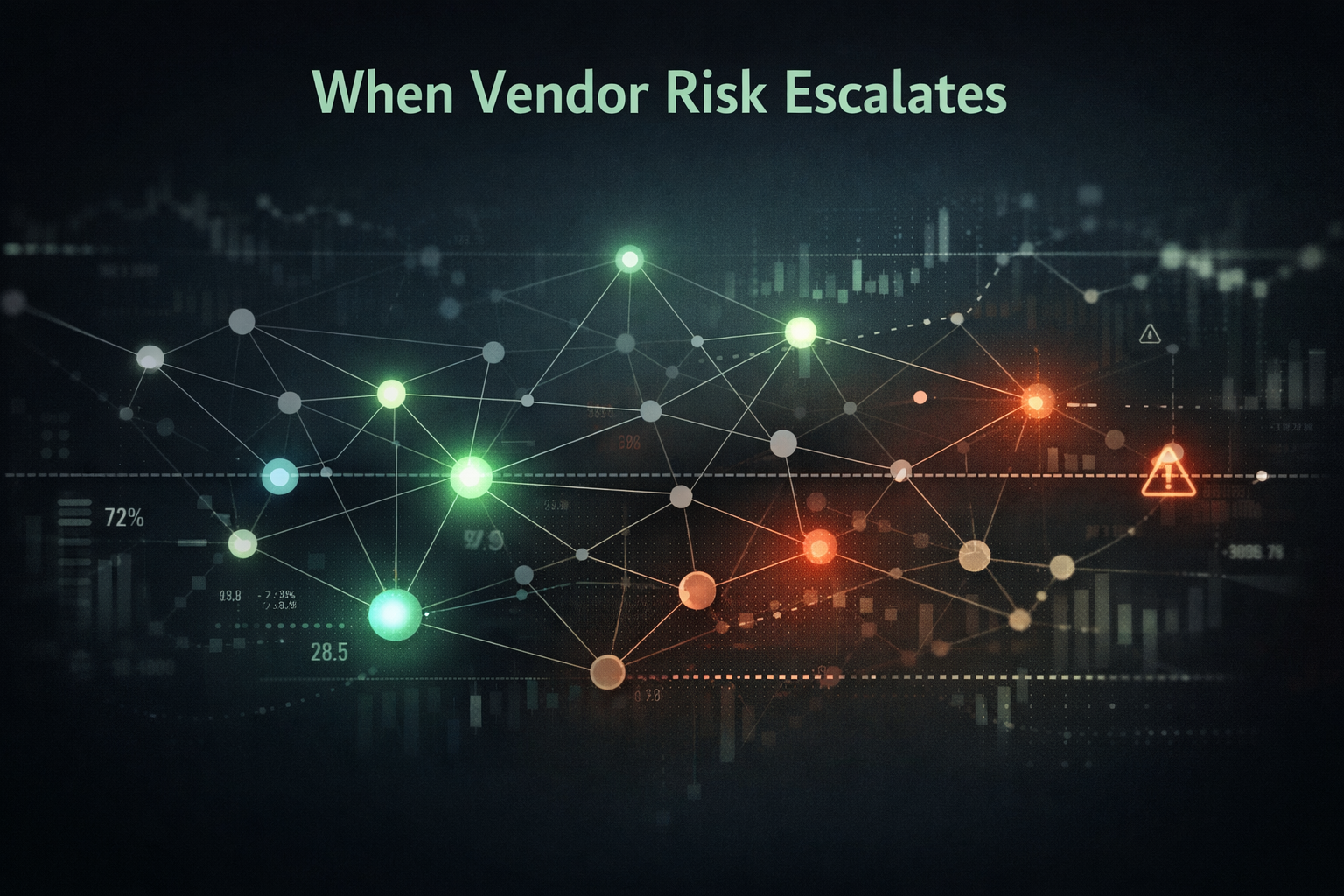
When Vendor Risk Becomes a Board Issue
Most organisations assess vendor risk at onboarding, but visibility fades and financial deterioration surfaces too late.
Banking on AI: Turning Bottlenecks into Borrower Opportunities
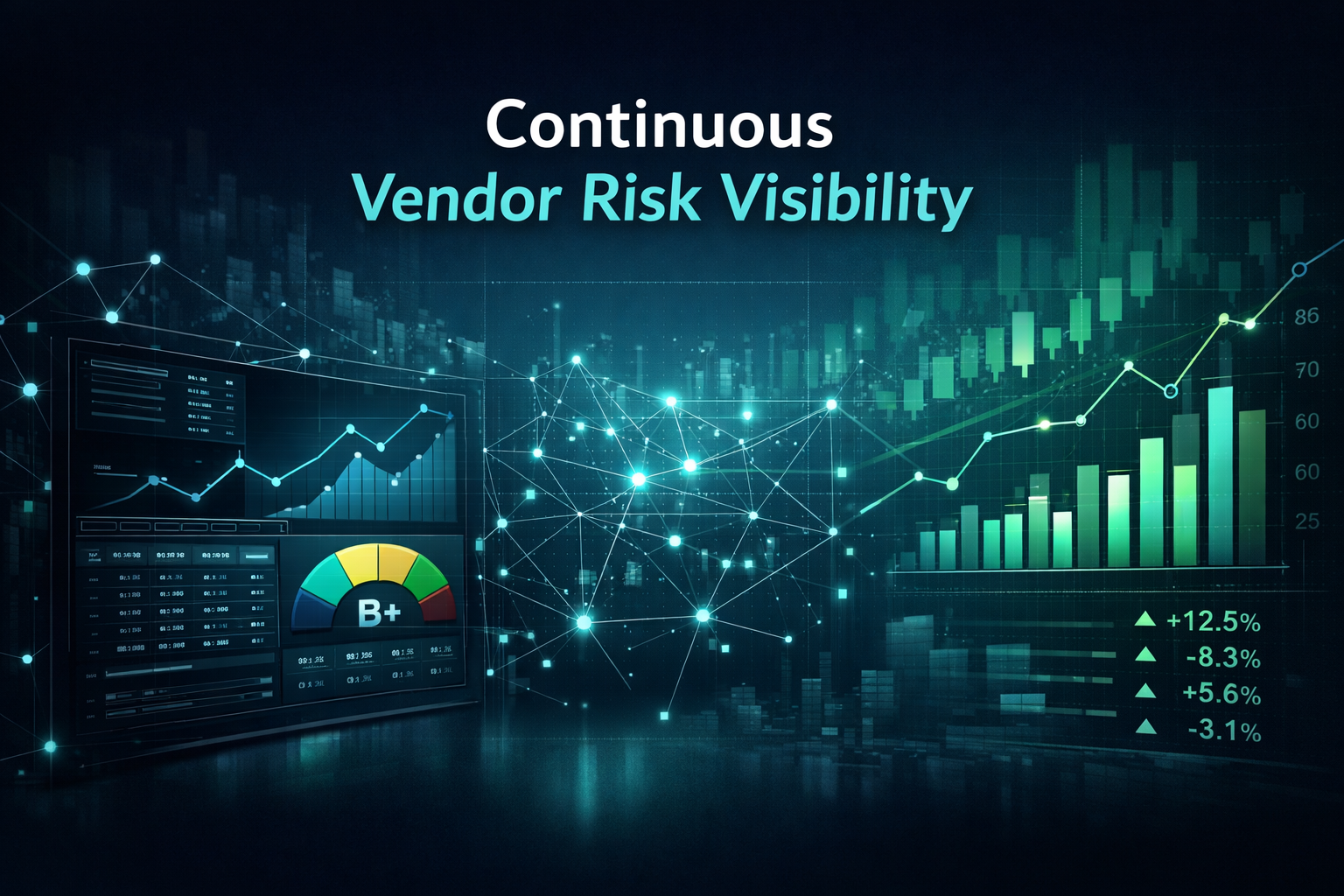
Why Vendor Risk Still Catches Corporates Off-Guard — and How to Fix It
Most corporates only see vendor credit risk after onboarding delays, payment disputes, or supplier failure force reactive decisions.
This article explains why traditional, point-in-time vendor checks leave critical blind spots—and how continuous, decision-ready credit assessment enables faster onboarding, risk-aware supplier selection, and more confident trade decisions.
Supplier Risk Assessment: Building Resilient Supply Chains with Continuous Vendor Risk Monitoring
Empowering Philippine Banks with Real-Time SME Risk Assessment and Digital Innovation
How to Use the CRDX Credit Risk Dashboard to Strengthen Lending Resilience
Learn how to use the CRDX Credit Risk Dashboard to strengthen lending resilience. Discover step-by-step credit risk monitoring, liquidity forecasting, and real-time alerts that help banks, NBFCs, and fintechs reduce defaults and improve SME lending continuity.